
Our method
Speech to print with EBLI
Evidence-Based Literacy Instruction teaches reading, spelling and writing together, starting from the sounds of spoken language. It is the method behind every lesson we teach.
What EBLI is
One method for reading, spelling and writing
EBLI (Evidence-Based Literacy Instruction) is a structured literacy program built on linguistic research and the science of reading. Instead of teaching phonics, spelling, fluency and comprehension as separate subjects, EBLI weaves them into every lesson.
Students learn how the sounds of English are written, practise them in real words, then read and write real text in the same session. Skills reinforce each other, so less has to be memorized.
Speech to print
Why we start with sounds
Children speak long before they read. Speech to print starts with the sounds they already know and shows them how those sounds are written.
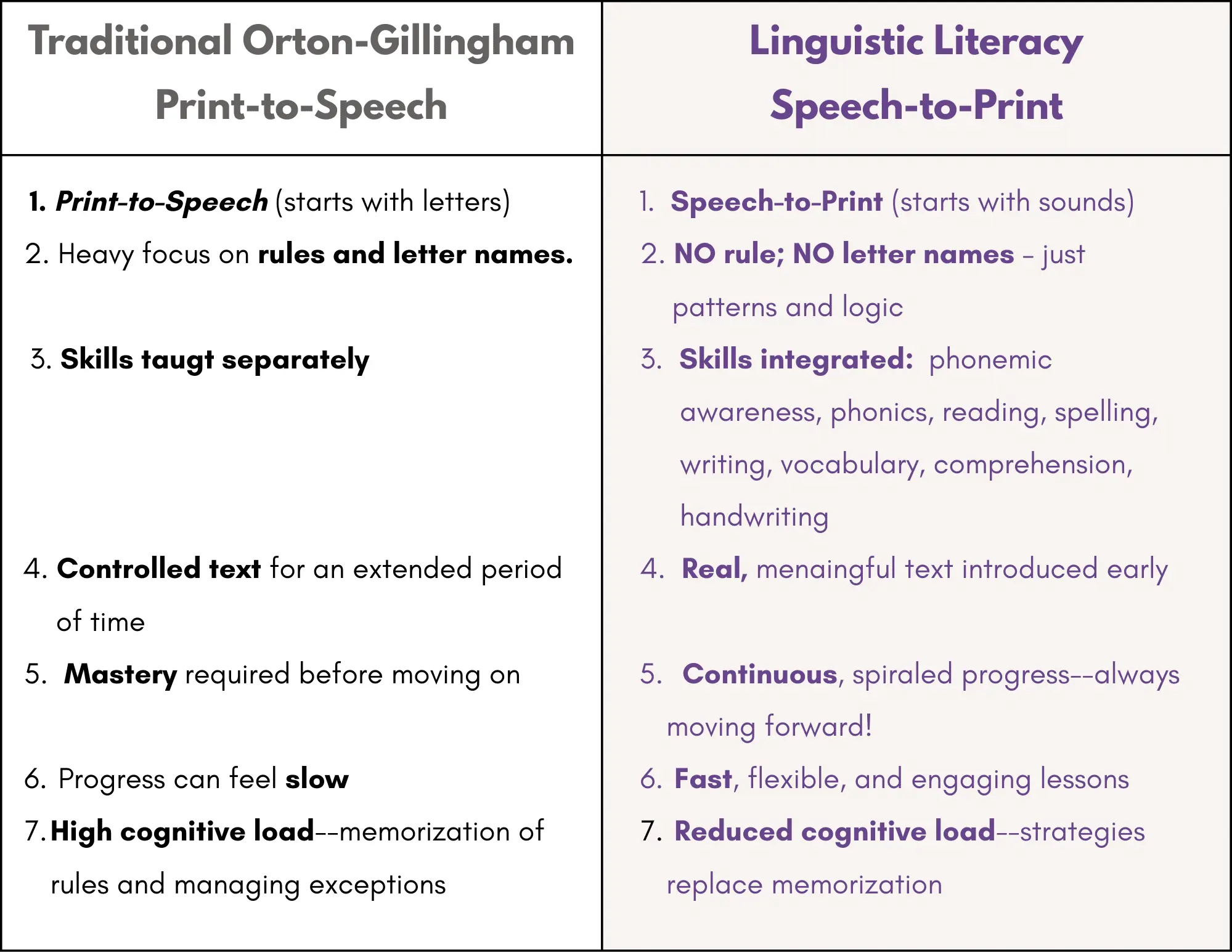
Traditional print to speech programs start with letters and rules, then ask children to turn print back into sound. Speech to print reverses that direction, which removes a layer of memorization and makes spelling and reading two sides of the same skill.
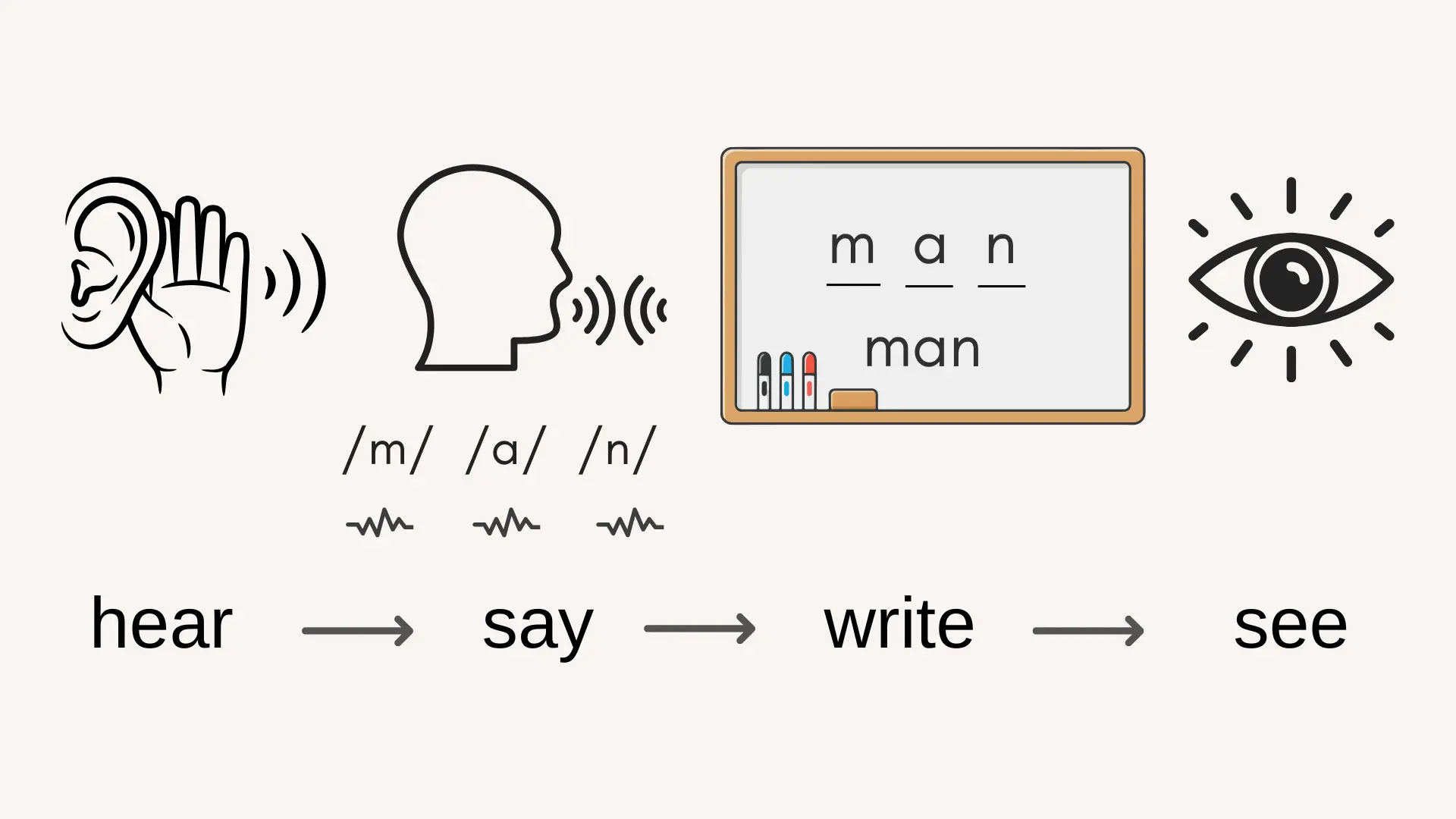
Hear
Your child listens for each sound in a spoken word.
Say
They say the sounds aloud, in order.
Write
They write a spelling for each sound.
See
They read the word they just built.
The four EBLI concepts
What every student learns
EBLI teaches a small set of ideas about how written English works, then applies them to every word.
Letters represent sounds
Written words are a code for the sounds we say.
A sound can be one, two, three or four letters
Spellings like sh, igh and ough each stand for one sound.
A sound can be spelled more than one way
The sound in rain, day and eight is spelled differently, and that is normal.
Some spellings represent more than one sound
The ow in snow and cow looks the same but sounds different.
Compared
Speech to print vs print to speech
Traditional print to speech
Speech to print with EBLI
Certified EBLI tutors
Taught by specialists, not generalists
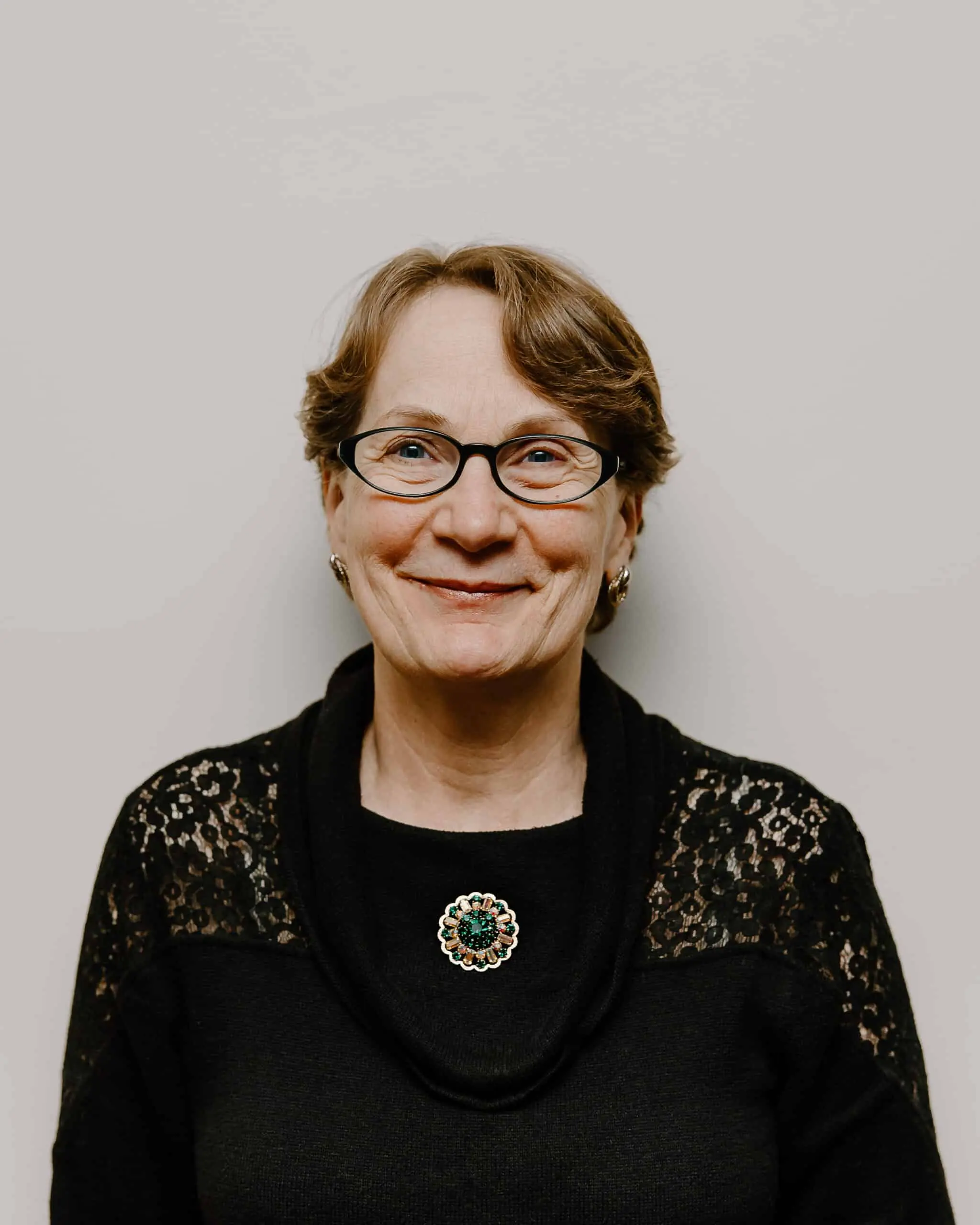
Laurel Sanders taught Orton-Gillingham and Barton Reading and Spelling for years before she began moving to EBLI in 2023, after studying reading science and linguistics. She has been Orton-Gillingham trained since 2003 and earned her EBLI certification in April 2026.
Every Brilliant Futures tutor is trained in EBLI and follows the same sequence of activities, so progress is consistent and measurable.
FAQ
Questions about EBLI
No. Both are explicit, systematic and multisensory, but EBLI starts from speech rather than letters, uses no spelling or syllable rules, and introduces real text much earlier.
EBLI was designed for all learners, including students with dyslexia. Its integrated approach reduces the memory load that often makes rule-based programs hard for dyslexic students.
Most students work with us for 1 to 2 years, and we measure progress at the start, middle and end of the program.
Yes. EBLI works from Kindergarten through adulthood, and we adapt the reading material to the student’s age and interests.
See EBLI in action with your child
Book a free discovery call and we will explain how a lesson would look for your reader.